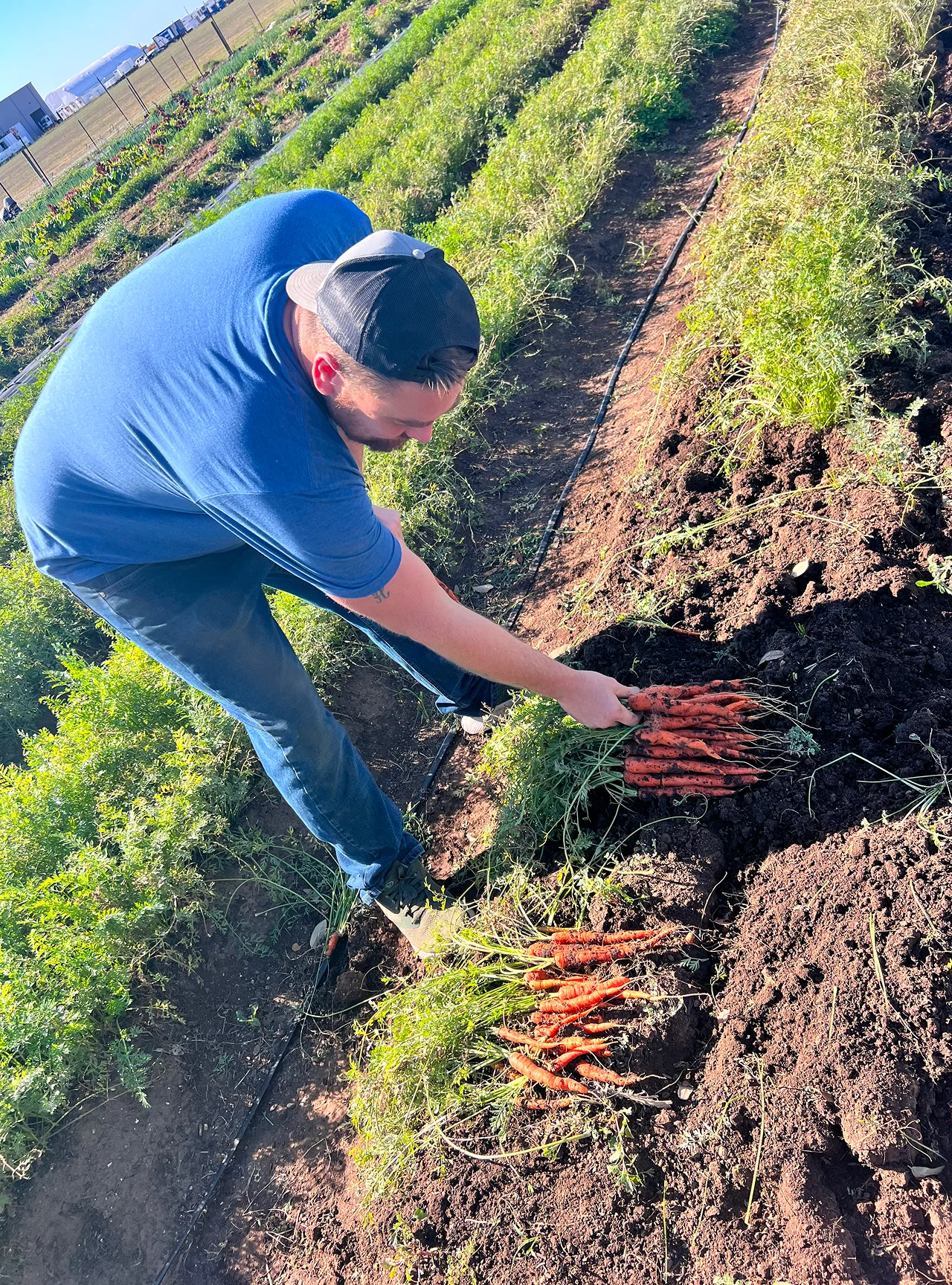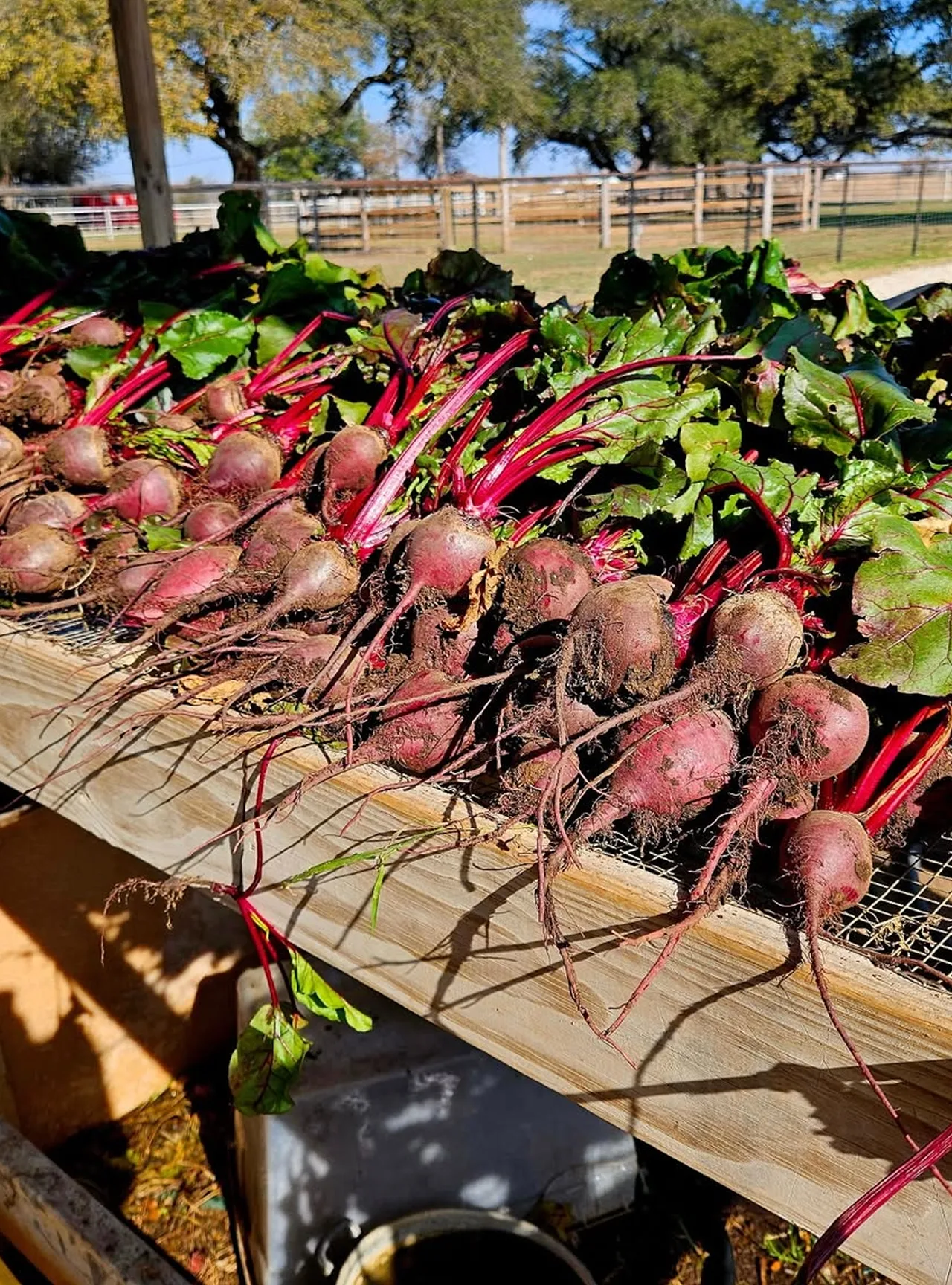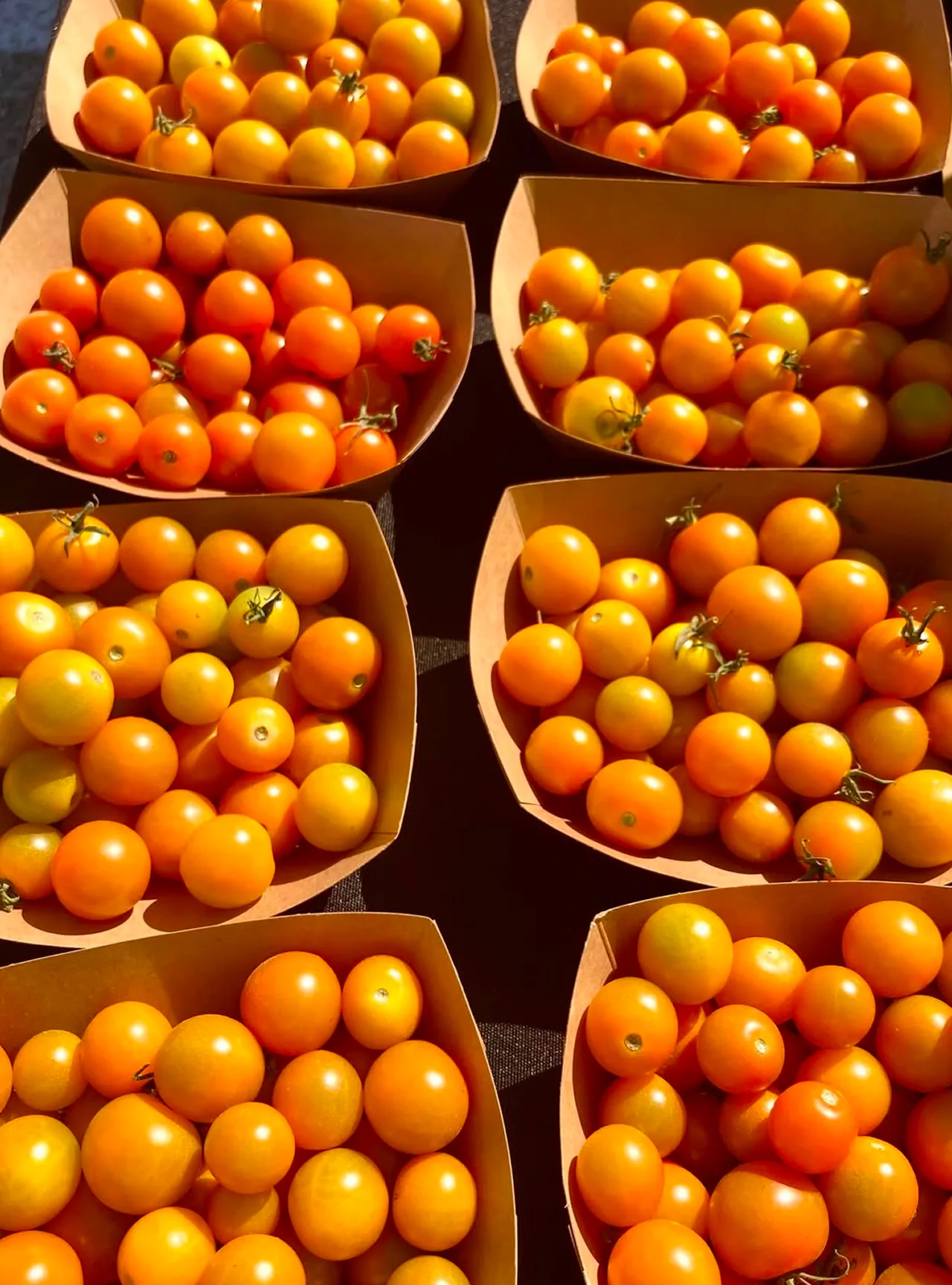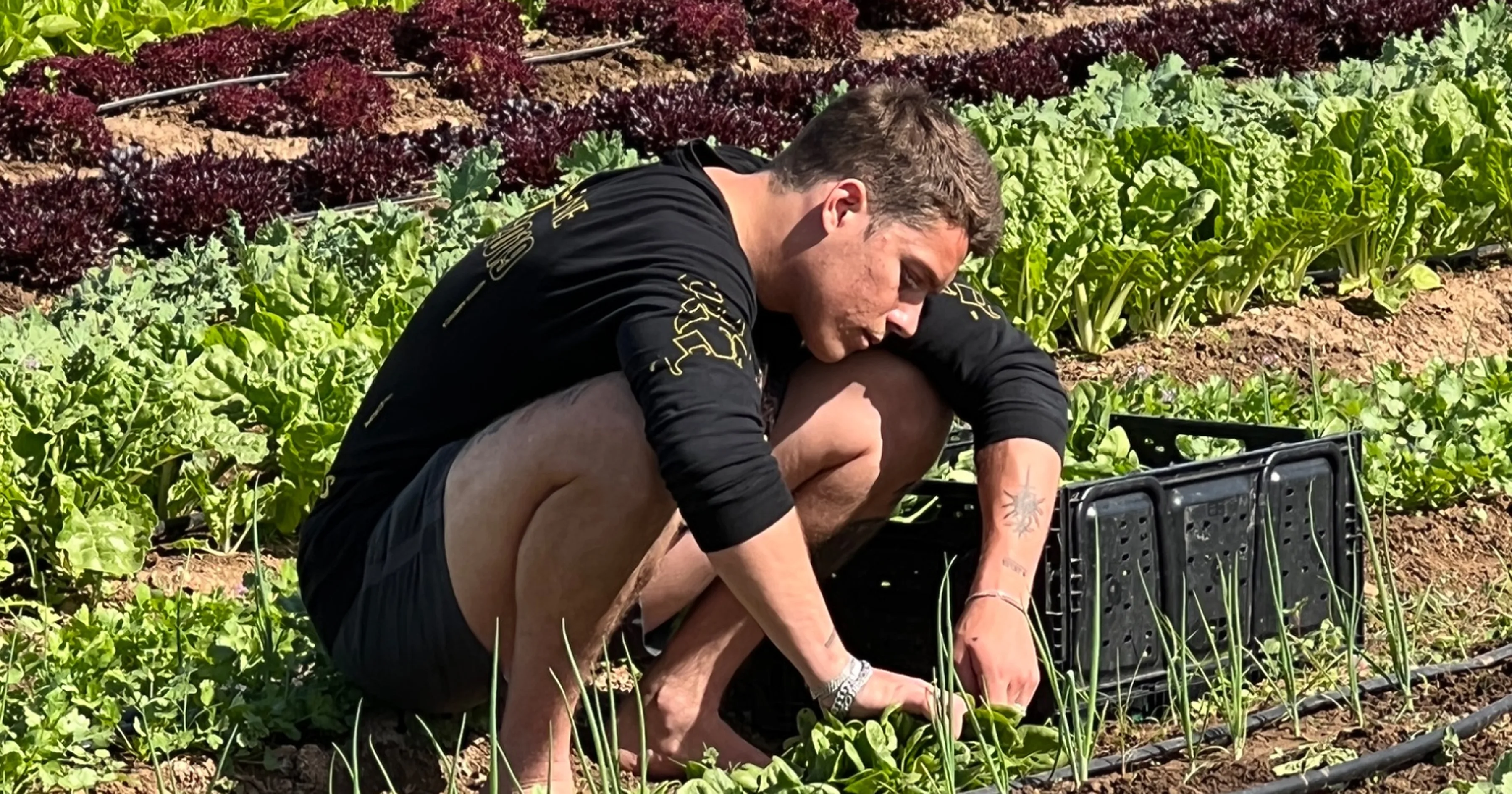
Out here, the noise fades. Hands in the soil, mind in the moment — finding peace, purpose, and grounding through the work
There is something that happens when a person puts their hands in the dirt.
Not churchy. Not performative. Not something you can fake for a social media post. The quiet kind of connection that happens when a person slows down long enough to notice that life is still growing. Even after drought. Even after neglect. Even after a hard season.
That is why we believe so deeply in this model.
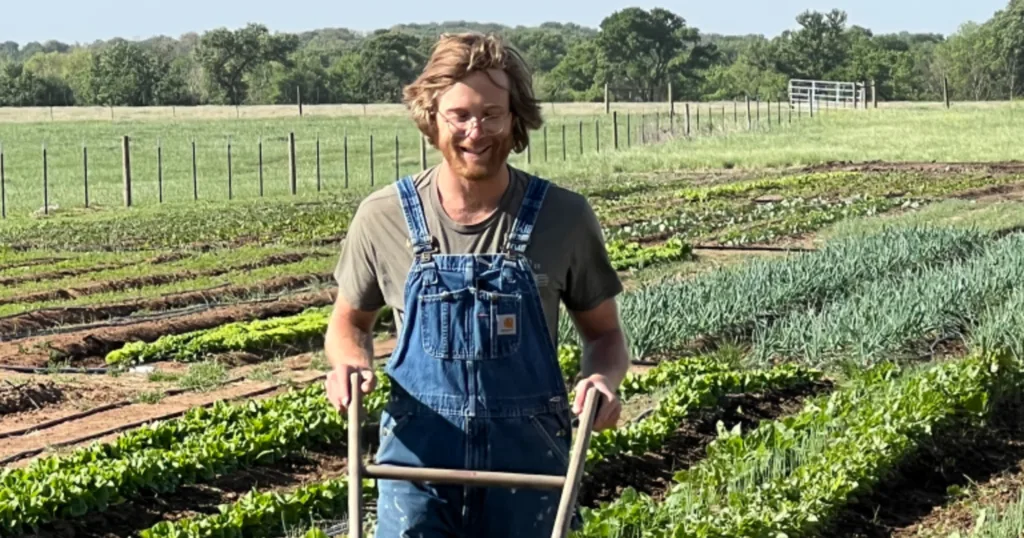
At Simple Promise Farms, the garden is not just a garden. It is not just a place to grow food. It is a place where people in recovery get to practice recovery with their whole body. They show up. They take direction. They learn patience. They do the small things. They deal with frustration. They serve something outside of themselves. They get uncomfortable. They come back the next day anyway.
That sounds a lot like working a recovery program.
We have never pretended the garden is magic. The dirt does not get someone sober. A tomato plant does not replace treatment. Pulling weeds does not erase trauma. What the garden does is create the conditions where real recovery work can begin to take root.
Recovery requires honesty. So does farming. You cannot lie to the soil. You cannot fake watering. You cannot skip work for two weeks and expect a harvest. The garden gives immediate feedback. If you neglect something, it shows. If you tend to something consistently, it responds. That is one of the clearest lessons a person in early recovery can learn.
A recovery program is built the same way. It is daily maintenance. It is not one big emotional breakthrough. It is not one powerful group. It is not one apology. It is the repeated decision to show up when nobody is clapping. It is doing the next right thing before you feel like doing it.
That is why meaningful work matters.
When someone is in active addiction, life often becomes very small. The world shrinks down to survival, shame, fear, resentment, and the next escape. Recovery has to help that person build a bigger life. Not just stop using. Not just avoid consequences. Not just sit in a room and talk about change. They need a life worth staying sober for.
The garden gives people a place to practice that.
They learn that feelings are not always facts. They learn that frustration does not have to turn into quitting. They learn that being corrected is not the same as being rejected. They learn that small tasks matter. They learn that other people are counting on them. They learn that service is not punishment. They learn that they can contribute something good.
That is healing.
The garden also does something to the nervous system that a classroom cannot always do. So many people arrive disconnected from their bodies. They are anxious. Restless. Angry. Numb. Distrustful. Their nervous system has been living in survival mode for years.
The garden slows things down.
You start noticing the weather. You notice the soil. You notice what needs water and what needs pruning. You start paying attention to life outside your own head. That shift is spiritual. Not because we force language onto it, but because it pulls people out of self-obsession and back into connection.
Connection to the land.
Connection to other people.
Connection to responsibility.
Connection to something bigger than themselves.
That is where recovery starts becoming more than abstinence.
This is also why the work cannot stay individual. People heal in relationships. They heal when they are seen. They heal when they are trusted with responsibility. They heal when they belong somewhere before they fully believe they deserve to belong.
On the farm, nobody is above the work. Everybody has to bend down. Everybody gets dirty. Everybody deals with the same heat, the same weeds, the same mud, the same mistakes. That levels people out in a healthy way.
The garden teaches humility without humiliation.
It teaches patience without preaching.
It teaches surrender without making it sound soft.
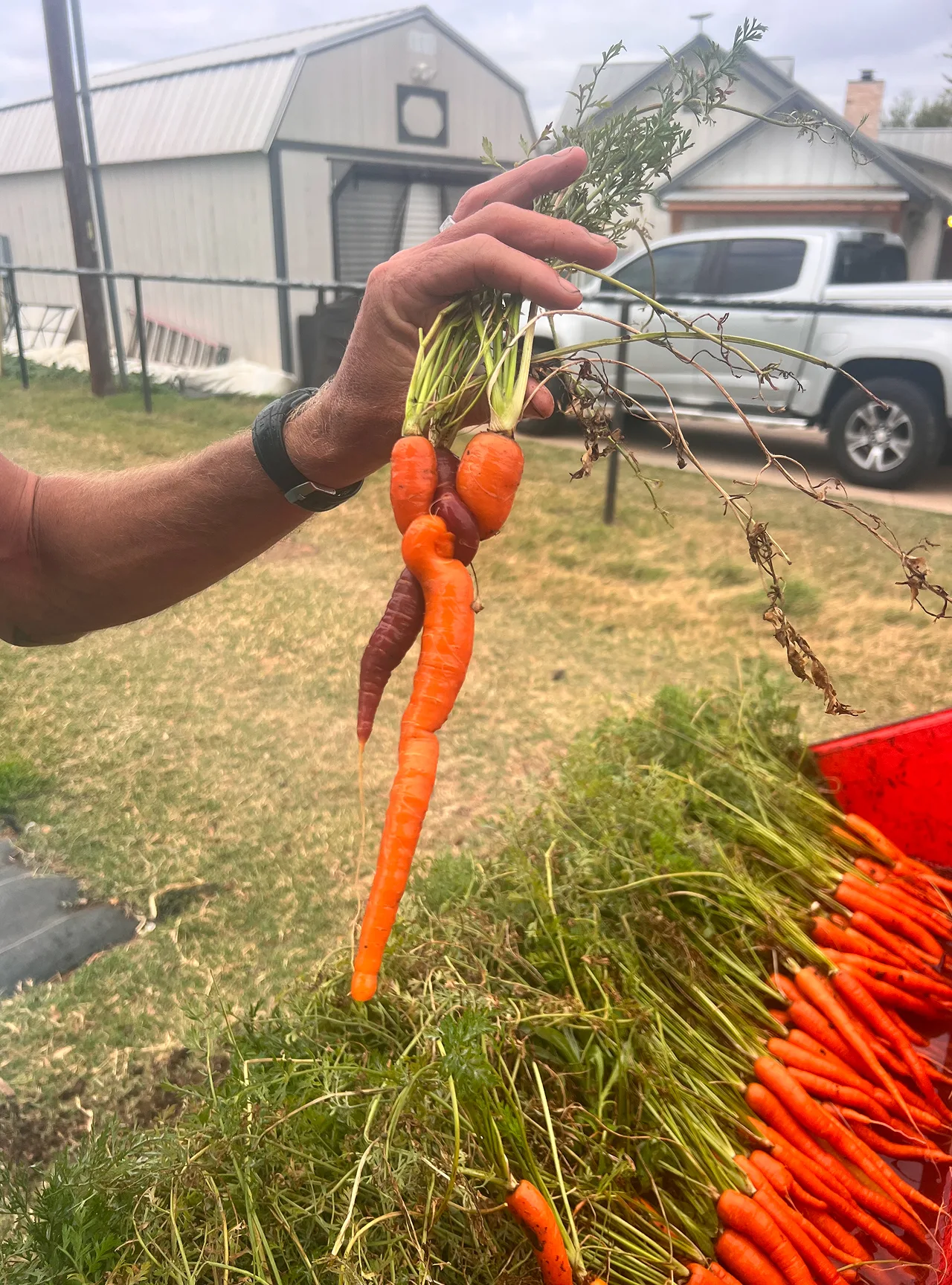
You can plant the seed, water the row, prepare the soil, and protect the crop. You still cannot control the rain. You still cannot force the harvest. You still have to participate in a process bigger than you.
That is spiritual connection.
A recovery program works the same way. You do your part. You tell the truth. You ask for help. You make amends. You serve others. You build structure. You stay connected. You learn to trust the process, even when the results are not immediate.
That is not weakness. That is maturity.
None of this is just our hunch. The research on gardening, time in nature, and social support in recovery keeps pointing in the same direction we have watched play out in real life. That does not mean every person heals the same way. It means we should pay attention when the evidence begins to confirm what we keep seeing on the farm.
People need more than lectures.
They need rhythm.
They need responsibility.
They need community.
They need purpose.
They need to feel useful again.
That is what hands in the dirt can do. It gives people a place to practice being alive again. A place to rebuild trust with themselves. A place where progress is visible. A place where service has a tangible outcome. A place where something broken can still grow.
We believe this model creates space for real healing because it does not separate recovery from life. It puts recovery back into the daily work of living.
You wake up. You show up. You take care of what is in front of you. You do not get to control everything. You learn from what dies. You protect what is growing. You ask for help when you do not know what to do. You keep coming back.
That is the garden.
That is recovery.
That is why we keep putting our hands in the dirt.
Share this story


Featured
Story